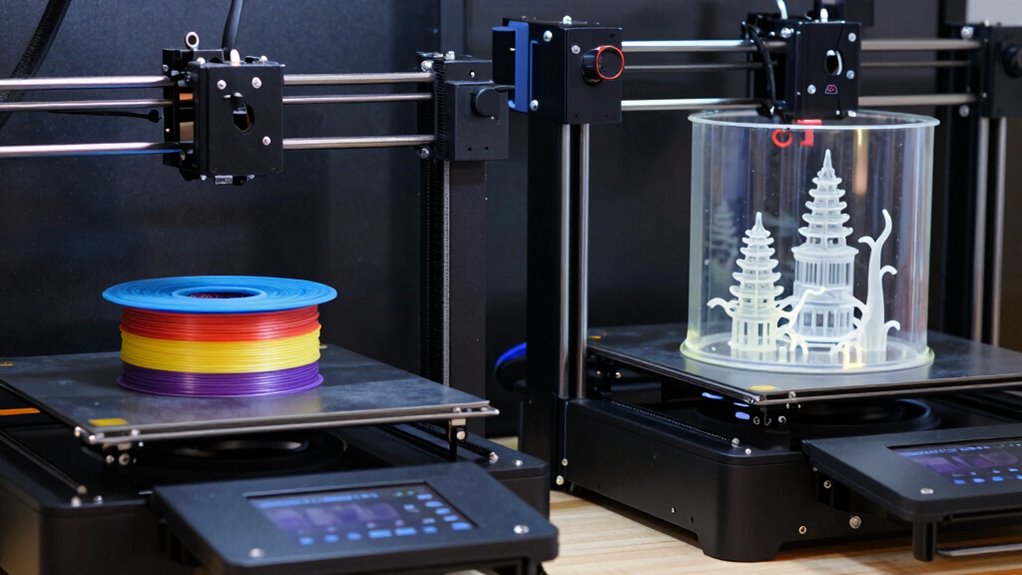
Choosing between FDM and resin 3D printers depends on your prototype’s needs. If you want durable parts with rougher finishes and lower costs, FDM is a good choice. For highly detailed models with smooth surfaces, resin printers excel, especially for intricate designs. Consider environmental impact and post-processing efforts too. To find the best fit for your projects and discover which technology suits your goals, explore further details on each option.

Get business pricing on monitors, keyboards and dev gear
- Business-only prices and quantity discounts
- Tax-exempt purchasing
- Multiple users, one account, clear invoices
Key Takeaways
- Choose FDM for larger, functional prototypes needing durability, impact resistance, and cost-effective production.
- Opt for resin printing when high detail, smooth surface finish, and intricate geometries are priorities.
- Consider FDM for environmentally friendly, recyclable materials and broader material flexibility.
- Use resin for small, complex, or highly detailed models requiring precise color and surface quality.
- Evaluate your prototype’s purpose—functional versus visual—to select the suitable technology.
As an affiliate, we earn on qualifying purchases.
What Are FDM and Resin 3D Printing Technologies?

FDM (Fused Deposition Modeling) and resin 3D printing are two popular methods, each with distinct processes and advantages. FDM uses thermoplastic filament, melting and extruding it layer by layer, making it cost-effective and straightforward. Resin printing, on the other hand, employs liquid resin cured by light, producing highly detailed results. When considering material sustainability, FDM often has an edge because it generates less waste and uses recyclable materials. Design flexibility also varies; FDM offers a wide range of filament options for functional prototypes, while resin provides finer detail for intricate models. Your choice depends on balancing environmental impact with the level of detail and flexibility needed for your projects. Both technologies serve different needs and priorities effectively.
As an affiliate, we earn on qualifying purchases.
How Do FDM and Resin Printers Differ in Printing Processes?
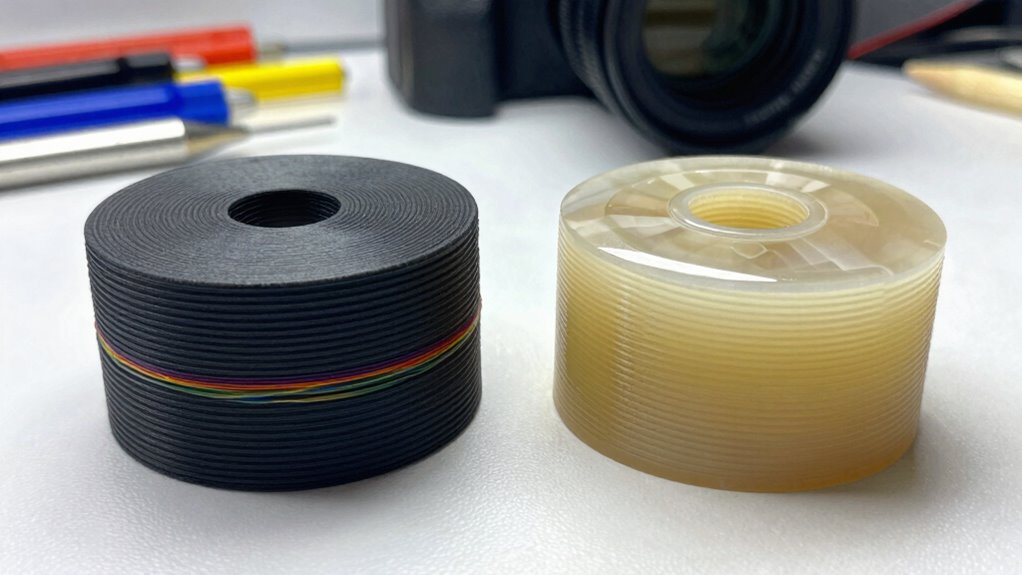
While both FDM and resin 3D printers build objects layer by layer, they do so through fundamentally different processes. FDM printers extrude thermoplastic filament through a heated nozzle, creating each layer by depositing material in precise paths. Resin printers, on the other hand, use a light source—like an LCD or laser—to cure liquid resin layer by layer. This process results in finer details and smoother surfaces. Color options differ as well; FDM printers often allow multi-filament printing or color mixing, while resin printers typically produce monochrome parts, though colored resins are available. Environmentally, FDM printers tend to have a lower environmental impact due to easier resin waste disposal and less energy-intensive curing. Each process’s method influences the quality, color choices, and environmental considerations of your prototypes. Moreover, the contrast ratio of resin printers contributes to their ability to produce highly detailed and visually appealing prototypes, especially in dark or nuanced scenes.
As an affiliate, we earn on qualifying purchases.
Which Types of Prototypes Are Best for FDM 3D Printing?
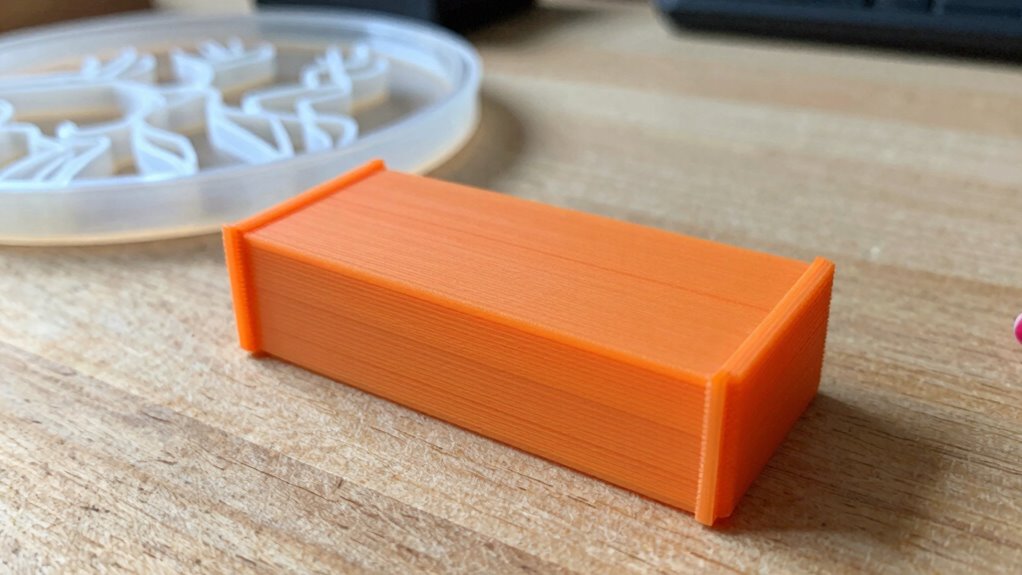
FDM 3D printing works best for prototypes made from materials like ABS and PLA, which offer durability and ease of use. It’s ideal for larger or moderately complex designs that don’t require intricate details, keeping production cost-effective. If you’re looking to quickly produce functional parts or rough models, FDM is often the most practical choice. Additionally, understanding auditory processing disorders can help in designing prototypes that consider sensory sensitivities, especially in applications related to accessibility. Awareness of digital concepts can also inform how prototypes are integrated into virtual environments or digital workflows.
Suitable Prototype Materials
Choosing the right prototype material is vital for ensuring your 3D printed parts meet your project’s needs. FDM printers work best with materials like PLA, ABS, PETG, and TPU, each offering unique properties for different applications. Consider how you’ll handle post processing techniques; some materials respond better to sanding or painting, influencing your choice. Proper material storage is key to prevent moisture absorption, which can affect print quality. For example, filament stored in sealed containers with desiccants maintains excellent performance. Think about your prototype’s purpose—whether strength, flexibility, or heat resistance is more important—then select the material accordingly. Matching the right filament with your project goals guarantees better results and reduces waste, making your FDM printing more efficient. Additionally, understanding the material properties helps optimize your printing process and achieve the desired prototype quality. Being aware of infection risks and prevention when handling certain materials can also ensure a safer and more successful printing experience. Recognizing the safety considerations associated with different filament types is essential for a secure workspace.
Ideal Size and Complexity
The size and complexity of your prototypes considerably influence how well FDM 3D printing will serve your project. Larger or more intricate designs may require multiple prints or extensive support structures, affecting efficiency. FDM excels at producing functional prototypes with moderate complexity, especially when you select the right filament, such as ABS or PLA. For detailed features, combining FDM with laser engraving can add surface details without increasing print complexity. However, extremely small or highly detailed prototypes might not be suitable for FDM, as resolution limitations can affect quality. When considering size, guarantee your printer’s build volume matches your project’s dimensions. Overall, FDM is best for moderately complex prototypes where size is manageable and filament choices optimize strength and surface finish.
Cost-Effective Production
If you’re aiming to produce prototypes cost-effectively, FDM 3D printing is an excellent choice for simple, functional parts that don’t require high detail. It benefits from ongoing material innovation, which lowers costs and expands options for durable, lightweight, or flexible materials. FDM also supports design optimization, allowing you to tweak prototypes for easier printing and improved strength, reducing waste and time. This makes it ideal for rapid iteration and large-volume production without breaking the bank. By using readily available filaments, you keep material costs low while maintaining quality. Overall, FDM’s affordability and adaptability make it the go-to choice for cost-conscious projects that prioritize function over fine detail.
As an affiliate, we earn on qualifying purchases.
When Should You Use Resin 3D Printing for Your Prototypes?
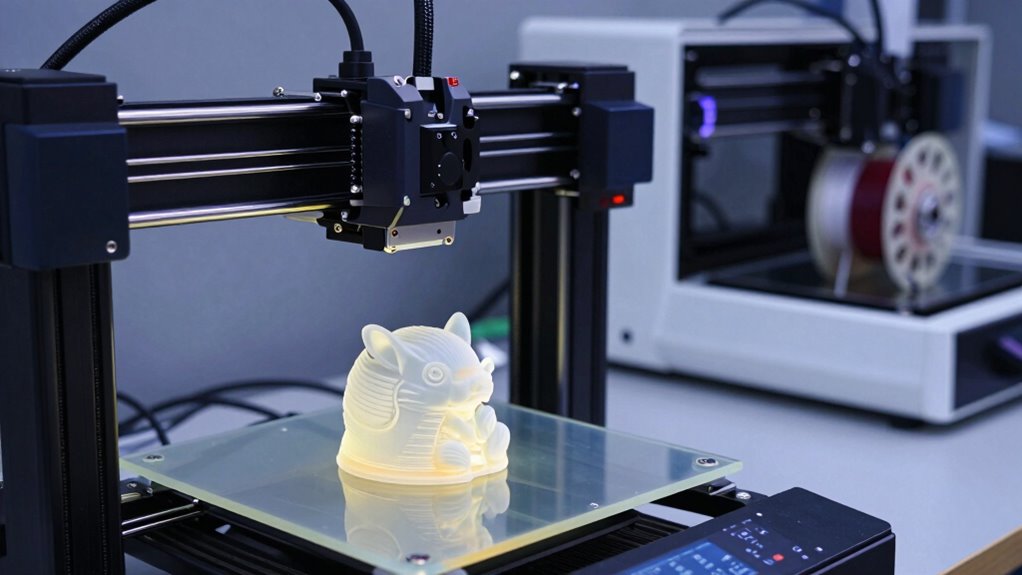
Resin 3D printing is ideal when your prototypes demand high detail, smooth surface finishes, and precise accuracy. This technology excels at capturing intricate designs and fine features that FDM struggles to replicate. Use resin when you need to showcase detailed textures, complex geometries, or small components. After printing, resin curing and resin post processing are essential to achieve maximum strength and finish. Proper resin curing ensures stability and durability, while resin post processing removes any residual resin and smooths surfaces. Incorporating dream symbolism can also inspire creative designs by exploring themes of time and life’s mysteries.
Consider resin printing if:
- You require ultra-fine details for visual prototypes or jewelry models
- Your project demands smooth, professional surface finishes
- Precise dimensional accuracy is critical for fit-and-function testing
- Material properties such as transparency or flexibility are important for your prototype’s function or appearance
- Additionally, understanding the resin curing process helps optimize the final quality and performance of your prototypes.
Materials and Mechanical Strengths of FDM and Resin 3D Printers
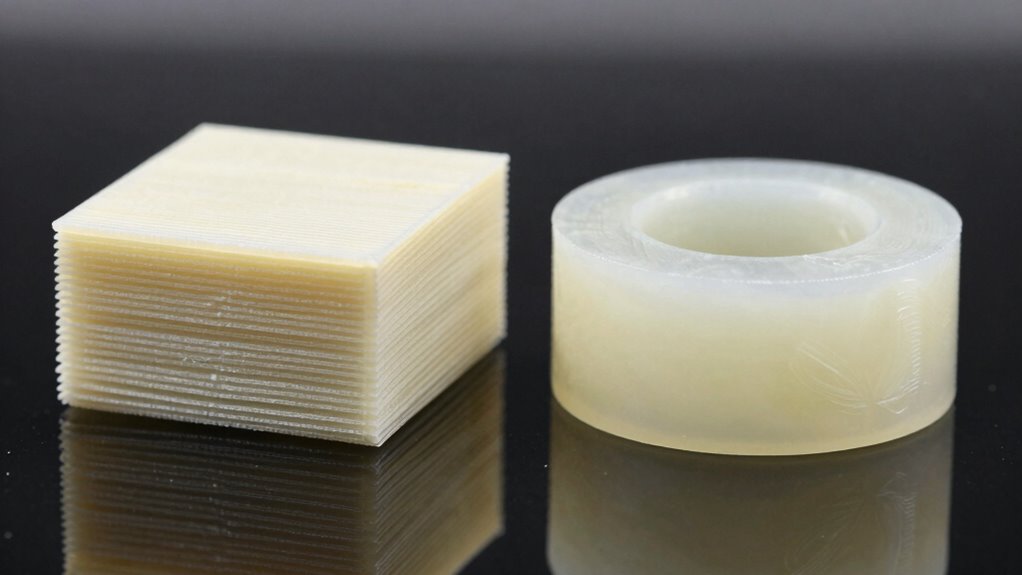
You need to take into account the types of materials each printer supports and how durable the final parts will be. FDM printers offer a wide range of filament options, providing good mechanical strength, while resin printers produce highly detailed but often more fragile models. Understanding these differences helps you choose the right technology for your prototype’s material requirements and durability needs. Additionally, considering eco-friendly natural pools and sustainable practices in backyard design can inform your choices for environmentally conscious prototyping, especially when durability and material safety are involved. It’s also important to evaluate the material recyclability of your chosen printing process to ensure eco-friendliness. Embracing a growth mindset can help you adapt and innovate with different materials, enhancing your ability to select sustainable options. Moreover, being aware of the durability and longevity of your printed parts can influence your selection towards more resilient materials suited for functional prototypes, and exploring material lifecycle can further support sustainable development in your projects.
Material Compatibility and Variety
Ever wondered how material options differ between FDM and resin 3D printers? Your choice impacts not just the look but also the usability of your prototypes. FDM printers typically work with a wide range of thermoplastics like ABS, PLA, and PETG, offering high material flexibility. Resin printers, on the other hand, use liquid resins that come in various formulations, including tough, flexible, or castable types. When it comes to color options, FDM offers a broad spectrum, often in multiple filaments or filaments with embedded pigments. Resin prints usually come in clear or pigmented variants, but color customization is more limited.
- Material adaptability varies markedly between the two
- FDM provides a wider range of color options
- Resin offers specialized formulations for specific finishes
Mechanical Strength and Durability
When evaluating mechanical strength and durability, it’s important to recognize that FDM and resin 3D printers produce parts with markedly different properties. FDM parts generally offer better material flexibility, allowing for some bending and impact resistance, making them suitable for functional prototypes. Resin prints, however, tend to be more brittle and less durable under stress. FDM materials like ABS or PETG are often more resistant to environmental impact, withstanding heat and wear better over time. Resin parts can degrade faster when exposed to UV light or moisture. If durability and environmental resilience are priorities, FDM is typically the better choice. Resin’s strength lies in high detail and smooth finishes, but it sacrifices some mechanical robustness compared to FDM-produced parts. Additionally, understanding the global halal guides can provide insights into how traditional materials and craftsmanship influence modern fabrication choices. It is also essential to consider the material properties when selecting a 3D printing method to ensure the final product meets specific mechanical requirements.
How Do FDM and Resin Printers Compare in Print Quality?
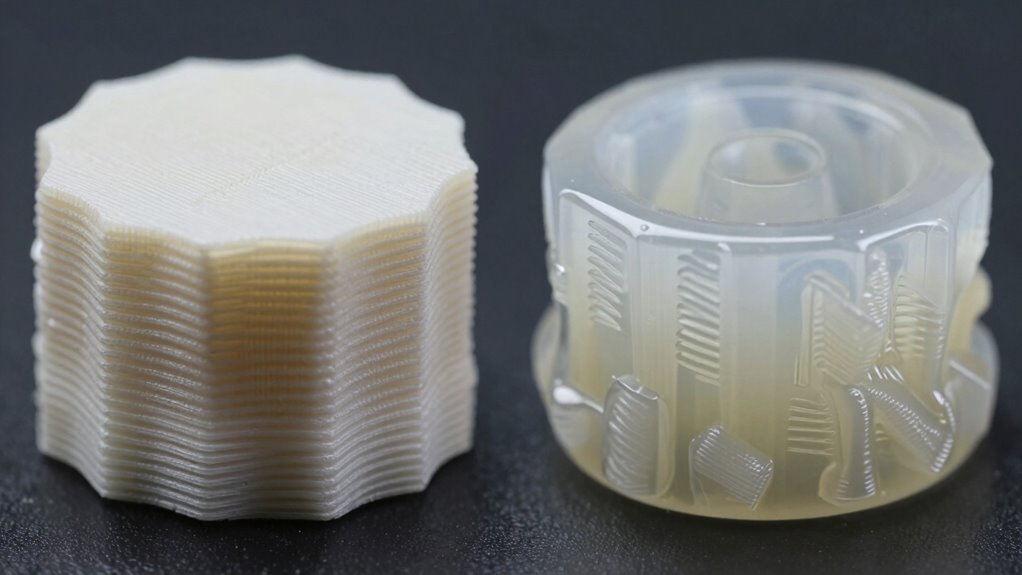
While both FDM and resin printers produce high-quality prototypes, their differences in print resolution and detail are significant. Resin printers excel at capturing fine details and smooth surfaces, making them ideal for intricate designs. FDM printers, on the other hand, often produce slightly rougher finishes but are better suited for larger, functional parts. When considering color accuracy, resin printers can achieve more precise color layering, enhancing visual fidelity. Additionally, environmental impact varies: FDM printers generally emit less harmful fumes, but resin printers require careful handling of chemicals.
- Fine detail and surface smoothness
- Color accuracy for detailed finishing
- Environmental considerations of materials used
Cost and Speed: Which 3D Printing Method Offers Better Value?
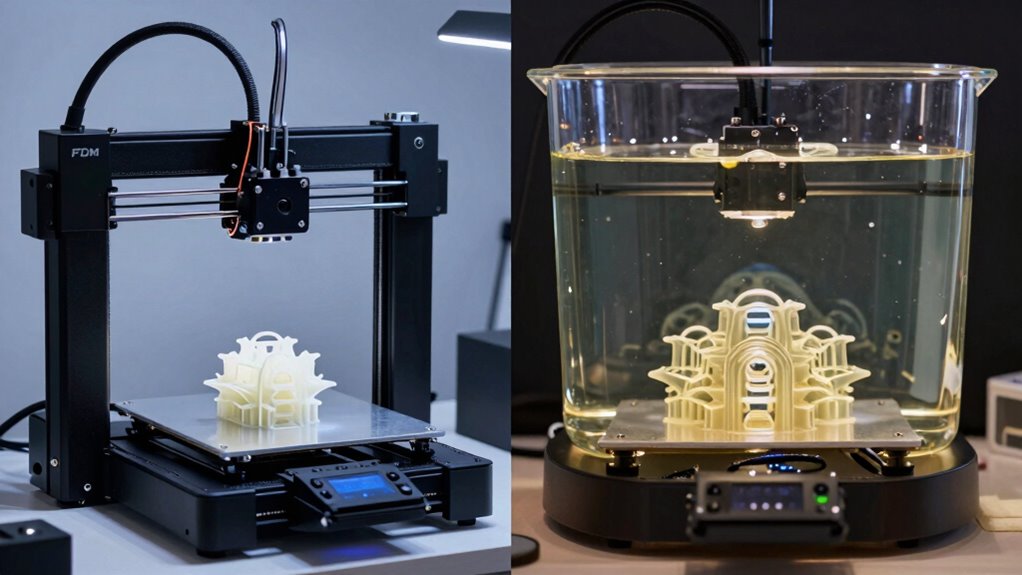
Choosing between FDM and resin 3D printers depends largely on your budget and project timeline, as each offers distinct advantages in cost and speed. FDM printers generally have a lower initial cost and faster print times for larger, less detailed prototypes, making them more cost-efficient for quick turnovers. Resin printers tend to be more expensive upfront and have longer print cycles, but they deliver superior detail and surface finish, which might justify the cost for small, intricate parts. Additionally, understanding the safety considerations associated with resin printing is essential for a safe and effective workflow. Being aware of the material properties and proper handling procedures can help mitigate health risks and ensure the longevity of your equipment.
Ease of Use and Maintenance for FDM and Resin Printers
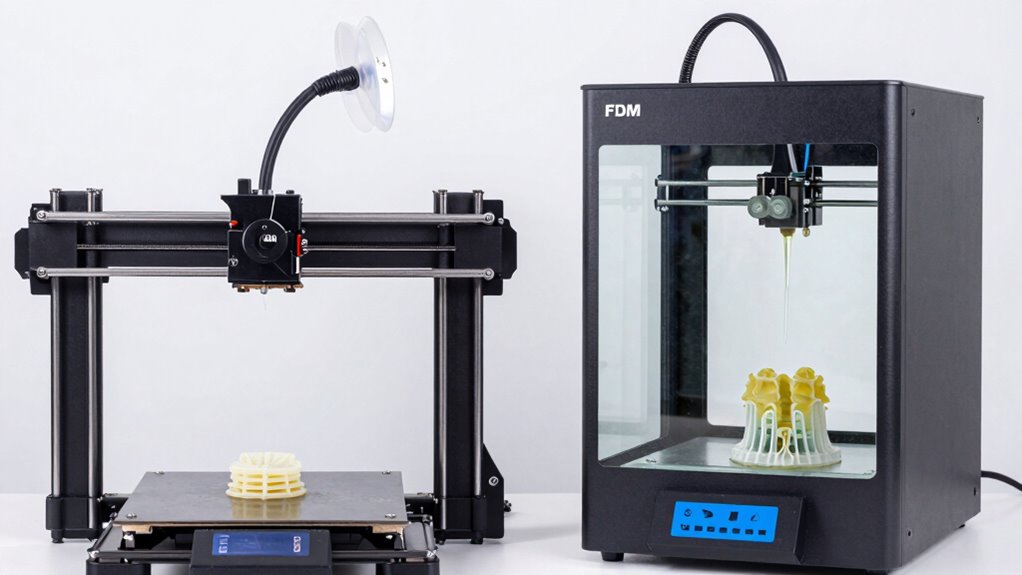
Setting up and calibrating your 3D printer can be straightforward or time-consuming, depending on the type you choose. Cleaning and regular maintenance are essential to keep your printer running smoothly, but the processes differ between FDM and resin models. Understanding these steps helps you decide which printer fits your experience level and maintenance preferences.
Setup and Calibration
Getting your 3D printer up and running smoothly involves understanding how to set up and calibrate it properly. Proper setup procedures ensure better print quality and reduce errors. For FDM and resin printers, calibration techniques vary but are equally essential. You’ll need to level the print bed, check the filament or resin flow, and verify the build platform’s accuracy.
Here are key points to keep in mind:
- Follow manufacturer instructions for initial setup procedures.
- Use calibration tools like bed leveling sensors or test prints.
- Regularly verify and fine-tune your printer’s calibration for consistent results.
Mastering these steps makes it easier to start printing confidently and avoid common issues related to misalignment or improper setup.
Cleaning and Maintenance
Maintaining your 3D printer’s cleanliness is essential for consistent performance and a longer lifespan. For FDM printers, regularly clean the nozzle and bed, and store filament properly to prevent moisture absorption. Resin printers require careful resin disposal and cleaning of the build plate after each use to avoid residue buildup.
| Tip | FDM Printer | Resin Printer |
|---|---|---|
| Filament Storage | Keep in a sealed container | Not applicable |
| Resin Disposal | N/A | Dispose of resin safely in sealed containers |
| Routine Cleaning | Wipe extruder and bed | Clean build plate and tank |
Proper cleaning and maintenance keep your printers running smoothly and extend their lifespan.
Troubleshooting Common FDM and Resin Printing Issues
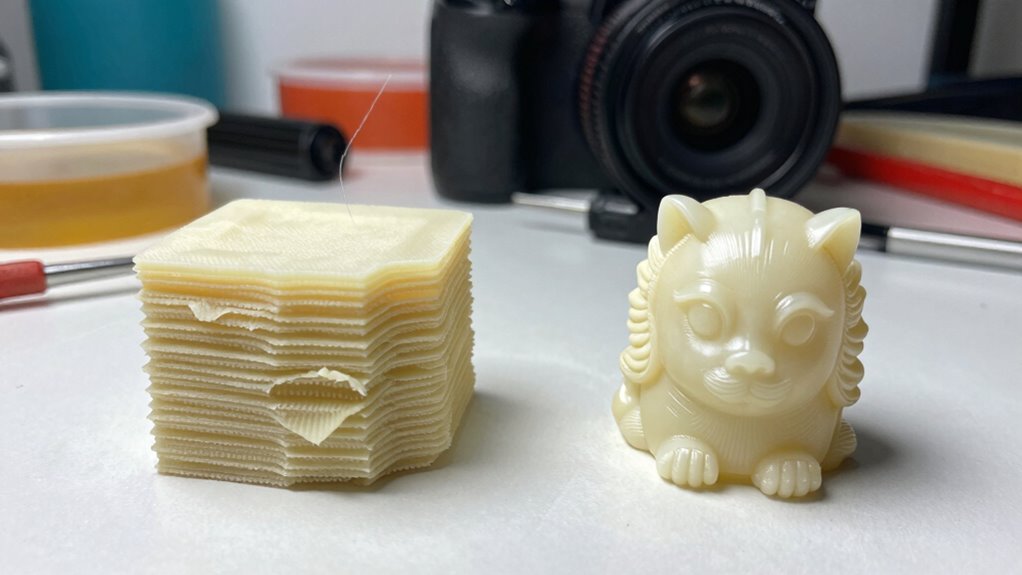
Troubleshooting common issues with FDM and resin 3D printers can seem intimidating, but understanding the root causes helps you quickly identify and fix problems. Often, issues stem from improper post-processing techniques or outdated firmware. For example, warping or layer misalignment in FDM prints might be resolved by adjusting print bed adhesion or updating printer firmware. Resin print failures, like poor layer quality, can often be fixed by refining curing times or cleaning the resin vat thoroughly. Keeping your firmware current guarantees peak performance and bug fixes. Additionally, regularly inspecting and cleaning components, along with correctly calibrating your printer, prevents many common problems. Staying proactive with maintenance and updates allows smoother printing and better-quality prototypes.
How to Decide Which 3D Printer Is Right for Your Prototype Needs
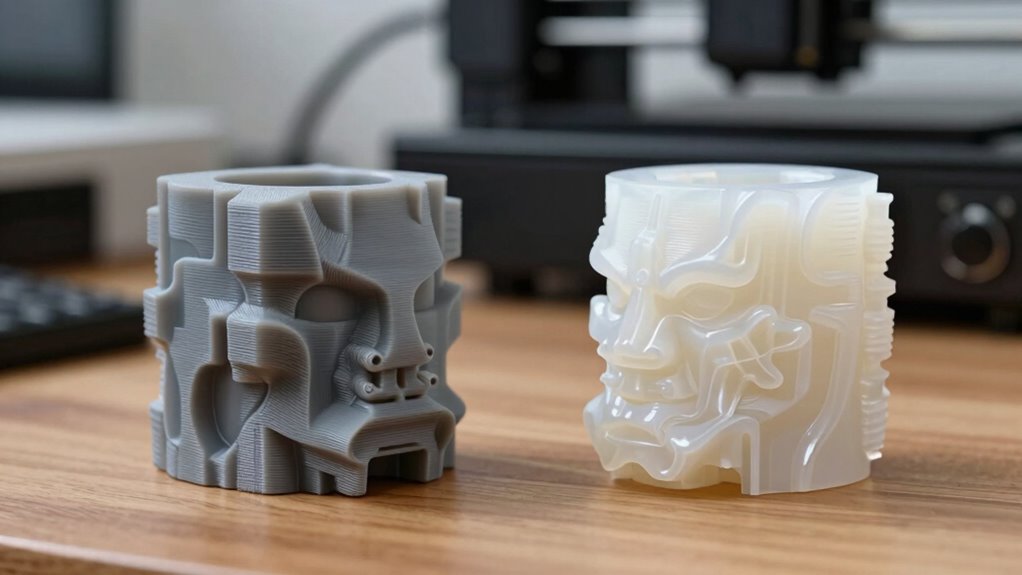
Choosing the right 3D printer for your prototypes depends on understanding your specific project requirements and how each technology aligns with them. If color accuracy is critical, resin printers generally produce finer details and more precise color representation, making them ideal for visual prototypes. Consider material recyclability if sustainability matters; FDM printers often use recyclable filaments and generate less waste, which can be more eco-friendly. Think about the material properties needed—sturdy, functional parts might suit FDM, while detailed, high-resolution models benefit from resin. Budget constraints, speed, and post-processing efforts also influence your choice. Ultimately, evaluating whether you prioritize detailed finishes, eco-friendliness, or material versatility will help determine whether FDM or resin printing best fits your prototype needs.
Frequently Asked Questions
How Does Post-Processing Differ Between FDM and Resin Prints?
Post-processing for resin prints involves cleaning off excess resin and curing under UV light, which enhances color accuracy and smooths the surface finish. FDM prints require support removal and sanding to improve surface quality. Resin’s finer detail results in a better surface finish straight out of the printer, while FDM parts often need more work to achieve a similar level of smoothness and color precision.
What Are the Environmental Impacts of FDM Versus Resin 3D Printing?
Imagine you’re choosing between FDM and resin printing for eco-friendly projects. FDM generally has a lower environmental impact because it uses thermoplastics that are more recyclable and produce less hazardous waste. Resin printing, however, involves chemicals requiring careful disposal, impacting material sustainability. Your choice influences your project’s environmental footprint, so consider how waste management and material reusability align with your sustainability goals.
Can FDM or Resin Printers Print Multi-Material Prototypes?
Yes, both FDM and resin printers can produce multi-material prototypes, but with limitations. FDM printers often support multi-material capabilities through dual or multi-extruder setups, enabling color printing options and varied material properties. Resin printers, especially advanced models, can combine different resins or use multiple resin vats for multi-material outputs. However, resin printers generally focus on high detail, and multi-material color printing remains more accessible with FDM technology.
How Do Storage Requirements Vary for FDM and Resin 3D Printers?
A stitch in time saves nine, and proper storage keeps your printers running smoothly. FDM printers generally have less demanding storage needs, requiring a dry, dust-free environment for filament durability. Resin printers need sealed containers and controlled humidity to maintain resin quality. While resin storage can be more costly, FDM’s material durability and cost efficiency make it easier to manage long-term. Proper storage directly impacts your material’s performance and your overall investment.
What Safety Precautions Are Necessary for Resin 3D Printing?
You need to prioritize safety when resin printing by properly handling resin and wearing safety gear. Always wear gloves, goggles, and a mask to protect your skin, eyes, and lungs from harmful fumes and resin exposure. Work in a well-ventilated area, avoid skin contact, and clean spills immediately. Following these precautions guarantees safe resin handling and minimizes health risks during your 3D printing process.
Conclusion
Choosing between FDM and resin 3D printing is like selecting the right brush for your masterpiece. FDM is your sturdy pencil, great for rough sketches and functional prototypes, while resin is your fine-tipped pen, capturing intricate details. Your choice shapes the story you tell with your prototypes—strength or precision, speed or finesse. Ultimately, understanding your project’s needs helps you pick the tool that turns your ideas into reality, one layer at a time.
Fall Picks
fall essentials
As an affiliate, we earn on qualifying purchases.