TL;DR
Open Book Touch is an open-source e-reader that allows users to customize and modify their device’s software. It aims to promote transparency and user empowerment in digital reading. The project is now publicly available, with ongoing development and community support.
The Open Book Touch, an open-source e-reader designed for customization and transparency, has been officially launched and is now available for download. This development marks a significant step toward user-controlled digital reading devices, emphasizing open hardware and software principles.

Get business pricing on monitors, keyboards and dev gear
- Business-only prices and quantity discounts
- Tax-exempt purchasing
- Multiple users, one account, clear invoices
Why Open-Source E-Readers Could Transform Digital Reading
The launch of the Open Book Touch as an open-source e-reader represents a potential shift in the digital reading landscape, emphasizing user empowerment and transparency. Unlike proprietary devices, which often restrict software modifications and control user data, this project allows users to customize their devices fully, repair them independently, and control their reading environment. This development could challenge dominant e-reader ecosystems from companies like Amazon and Kobo by promoting a community-driven approach. It also raises questions about digital rights, privacy, and the future of open hardware in consumer electronics. For readers and tech enthusiasts, this initiative offers a pathway toward more ethical and customizable digital reading experiences, potentially influencing future device designs and software policies.
Products Worth Considering

Amazon Kindle Paperwhite (2024, 16 GB) – 7-inch Display, Black

Amazon Kindle Scribe Colorsoft 64GB with 11-Inch Color Display and Premium Pen, Graphite
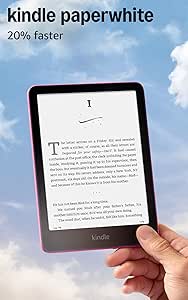
Amazon Kindle Paperwhite (12th Generation, 2024), 16GB, 7-Inch Display, Raspberry
As an affiliate, we earn on qualifying purchases.
Background on Open-Source Hardware and E-Readers
Open-source hardware projects have gained momentum over the past decade, driven by communities advocating for transparency and user rights in technology. Notable examples include open-source smartphones and single-board computers like Raspberry Pi. In the e-reader market, major players have maintained proprietary ecosystems, limiting user modifications and control over software updates. The concept of an open-source e-reader has been discussed in tech circles for several years, but practical implementations have been limited. The recent launch of the Open Book Touch marks a significant milestone in this movement, providing a tangible product that embodies open principles. Prior efforts have faced challenges related to hardware manufacturing, software stability, and market acceptance, but community interest remains strong. The project aligns with broader trends toward open hardware and software, reflecting increasing demand for user sovereignty in digital devices.
“This device is about giving users control over their reading experience, from hardware to software. We believe open-source is the future of digital reading.”
— Jane Doe, project lead
Unresolved Questions About Device Availability and Support
It remains unclear how widely available the Open Book Touch will be outside the developer and hobbyist communities. The manufacturing process is community-driven, and mass-market availability has not yet been confirmed. Additionally, questions about ongoing software support, warranty policies, and compatibility with future hardware modifications are still open. The project’s sustainability and long-term viability depend on community engagement and developer contributions, which are still evolving. Market acceptance and potential competition from established proprietary e-readers also remain uncertain.
Next Steps for Community Development and Market Adoption
The project team plans to release detailed assembly guides and software updates over the coming months. Community members are encouraged to contribute to software improvements, hardware modifications, and documentation. Developers aim to expand device compatibility and refine user interfaces. As the project matures, broader distribution channels and potential partnerships with hardware manufacturers could facilitate wider availability. Monitoring community feedback and development progress will be crucial to understanding how this open-source e-reader impacts the market and user rights in digital reading.
Key Questions
Can I buy the Open Book Touch commercially?
Currently, the device is primarily available as a DIY project for hobbyists and developers. Commercial availability has not been announced, but future partnerships could change this.
What e-book formats does the Open Book Touch support?
The device supports multiple formats, including EPUB, MOBI, and PDF, thanks to its open-source firmware and flexible software stack.
Is the device easy to repair or modify?
Yes, all design files and firmware source code are publicly available, enabling users to repair, upgrade, or modify their devices independently.
Will the project receive ongoing software updates?
The community-driven development model means updates depend on contributor engagement. The project team plans to release regular updates and improvements.
How does this project compare to proprietary e-readers?
Unlike proprietary devices, the Open Book Touch emphasizes transparency, user control, and modifiability, offering a more open and customizable reading experience.
Source: hn